Tenrikyo art and music are not created for performance or display. They exist to support faith, prayer, and daily life. At the heart of this expression is the Mikagura-Uta, the sacred songs revealed by Tenri o no Mikoto. These songs guide followers toward a joyful life by teaching truth through sound, movement, and shared service.
In Tenrikyo North Honolulu church, art and music work together. Sound gives form to prayer. Movement gives form to intention. The Mikagura-Uta connects people across countries, languages, and generations through the same songs and hand movements. This unity reflects the teaching that humankind is equally purified and supported by God.
This article explains the meaning, history, and living role of Tenrikyo art, music, and the Mikagura-Uta, from its origins in Japan to its practice around the world today.
The Role of Art and Music in Tenrikyo Faith
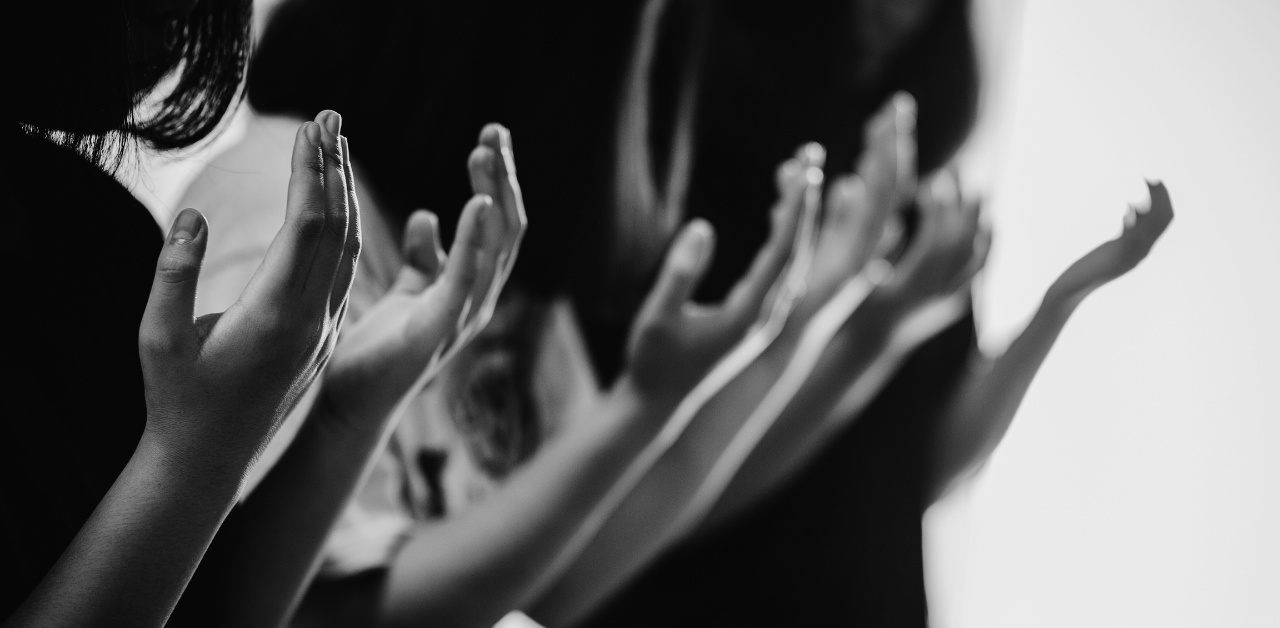
Tenrikyo views music as a form of prayer rather than entertainment. Songs are sung during service to express gratitude, reflect on truth, and align the heart with God’s intention. Visual and movement-based art support this purpose by guiding the body to move in harmony with sound.
Art in Tenrikyo often appears through ritual objects, calligraphy, instruments, and structured movement. These forms help believers listen with both their hearts and their bodies. Music supports faith by conveying lessons that words alone cannot. When followers sing together, they take part in a shared act of prayer that reinforces connection, humility, and trust.
The Origin of the Mikagura-Uta
The Mikagura-Uta holds a central place in Tenrikyo history. These songs were revealed by Oyasama, the Foundress of Tenrikyo, beginning in the nineteenth century in Japan. The songs were given over time, not all at once, and were taught directly to followers as guidance for service.
The word “Mikagura” refers to sacred music and movement offered to God. “Uta” means song. Together, the Mikagura-Uta forms the musical foundation of Tenrikyo service. The songs explain the origin of the world, God’s intention, and the proper way to live. They also teach through repetition, rhythm, and clear language. This allows people of all backgrounds to learn through practice rather than study alone.
Structure of the Mikagura-Uta: Songs and Order
The Mikagura-Uta consists of twelve songs, each with its own rhythm, meaning, and role in service. These songs are not performed randomly. They follow a specific order that reflects the following:
- Beginning of the world
- Creation of humankind
- Future path toward joy
Some songs focus on teaching truth. Others encourage reflection, repentance, or gratitude. Together, they form a complete prayer expressed through music and movement.
The counting song plays a special role. It teaches order, patience, and time awareness. Through counting, participants learn to move together and listen closely to one another. This reinforces unity during service.
Each song supports the next. None stands alone. This structure reflects the Tenrikyo belief that life itself is built through cooperation and balance.
Language and Lyrics of the Mikagura-Uta
The Mikagura Uta (The Songs for the Service) were originally revealed in Japanese. Its language is direct and rhythmic, designed to be memorized and sung together. Over time, translations have been created so followers around the world can understand the meaning while keeping the original sound.
Translations exist in English, Spanish, Portuguese, Korean, and other languages. While the words may differ slightly, the message remains consistent. God teaches through simple language so that people can apply the lessons in daily life.
Phrases such as “yū koto kiite kure” emphasize listening and accepting guidance. Others, like “koto wa iwan dena”, remind people that action matters more than speech. These teachings remain relevant across cultures and generations.
Instruments Used in Tenrikyo Music
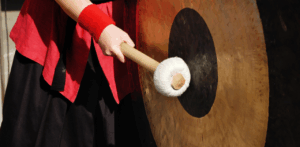 Tenrikyo music relies on traditional Japanese instruments. These instruments set the rhythm and guide the movement during the service. The koto, a stringed instrument, contributes a steady and calming tone. Drums, hand gongs, and clappers help maintain timing and unity. Each instrument has a specific role. None exists for show. Together, they create a balance between sound and silence. This balance reflects the harmony Tenrikyo encourages in daily life.
Learning to play these instruments requires patience and cooperation. Players must listen closely to one another. This reinforces humility and shared responsibility, which are central values in the Tenrikyo faith.
Hand Movements and the Kagura Service
Music in Tenrikyo does not exist without movement. The Kagura Service brings together song, instruments, and hand movements that symbolize the creation of the world.
Each movement represents an aspect of creation, such as earth, water, wind, or fire. The hands move in precise patterns that match the songs’ rhythms. These movements are carefully taught and passed down through practice rather than through written instruction alone.
The Kagura Service represents heaven and earth working together. Participants do not dance for an audience. They move as an offering to God, guided by sound and shared intention.
The Seated Service and Its Musical Meaning
 In addition to the Kagura Service, Tenrikyo practice includes the Seated Service. This form is more accessible and is practiced in homes and local Tenrikyo churches around the world.
The Seated Service uses selected songs from the Mikagura-Uta. Participants remain seated while performing hand movements in time with the music. This allows people of all ages and physical abilities to take part.
The seated form emphasizes reflection and prayer. It shows that Tenrikyo music adapts to support people at different stages of life, including during illness or recovery.
Tenrikyo Art and Music Around the World
Tenrikyo spread from Japan to many countries, including the United States, Brazil, Australia, and parts of Europe. As the faith expanded, the Mikagura-Uta remained central to service. The Tenrikyo Overseas Department supports churches and followers outside Japan. This includes guidance on music, service forms, and proper teaching of songs and movements.
For Tenrikyo church headquarters and local Tenrikyo churches may sing the Mikagura-Uta with explanations in local languages. Still, the original melodies and rhythms remain unchanged. This allows believers from different countries to join the service together without confusion.
Learning the Mikagura-Uta for the First Time
For newcomers, learning the Mikagura-Uta can feel unfamiliar at first. The language, rhythm, and movements may take time to understand. Tenrikyo encourages patience and practice rather than pressure.
People often begin by listening. Over time, they join singing, clapping, or simple movements. Teachers guide learners step by step, focusing on meaning rather than perfection. The goal is not performance. The goal is sincerity in prayer. Every person progresses at their own pace, supported by the community.
Connect With Tenrikyo Art and Music in Your Own Life
Tenrikyo art and music offer a way to slow down and reconnect with purpose through shared practice. The Mikagura-Uta invites participation rather than observation, making space for reflection, gratitude, and steady growth in faith. Many people find that engaging with these songs and movements brings clarity during uncertain moments and strengthens relationships within the community.
Participation does not require musical training or prior knowledge. It begins with openness, listening, and a willingness to learn alongside others. Through regular service, people often discover that the lessons carried through song naturally shape how they respond to daily challenges, relationships, and responsibilities.
If you are interested in learning more, attending a service, or asking questions about Tenrikyo art and music, get in touch with us.