Tenrikyo pilgrimage and spiritual community reflect a living tradition rooted in faith, service, and shared responsibility. For many followers, pilgrimage is more than travel. It is a return to spiritual origins, a renewal of faith, and a way to connect with a global community guided by divine principles.
This article explains the Tenrikyo pilgrimage, its spiritual center in Tenri City, and how the Tenrikyo community supports personal growth and public welfare across Japan and the world.
Tenri City as the Spiritual Center
Tenri City is home to the Tenrikyo Church Headquarters, Oyasato Institute, Tenri University, and other religious organizations and educational programs. The city functions as a hub for religious studies, cultural events, and faith-based learning.
Pilgrims visit Tenri City to participate in services, study Tenrikyo teachings, and experience gagaku music and rituals in the main sanctuary. The city reflects Tenrikyo’s concept of the Joyous Life through structured community life, public service, and shared responsibility.
The Japanese government recognizes Tenrikyo as a religious movement, allowing it to operate religious and educational institutions openly. Oxford University Press and Japanese Journal publications have documented Tenrikyo as part of contemporary Japan’s religious landscape.
Tenrikyo Pilgrimage as Spiritual Practice
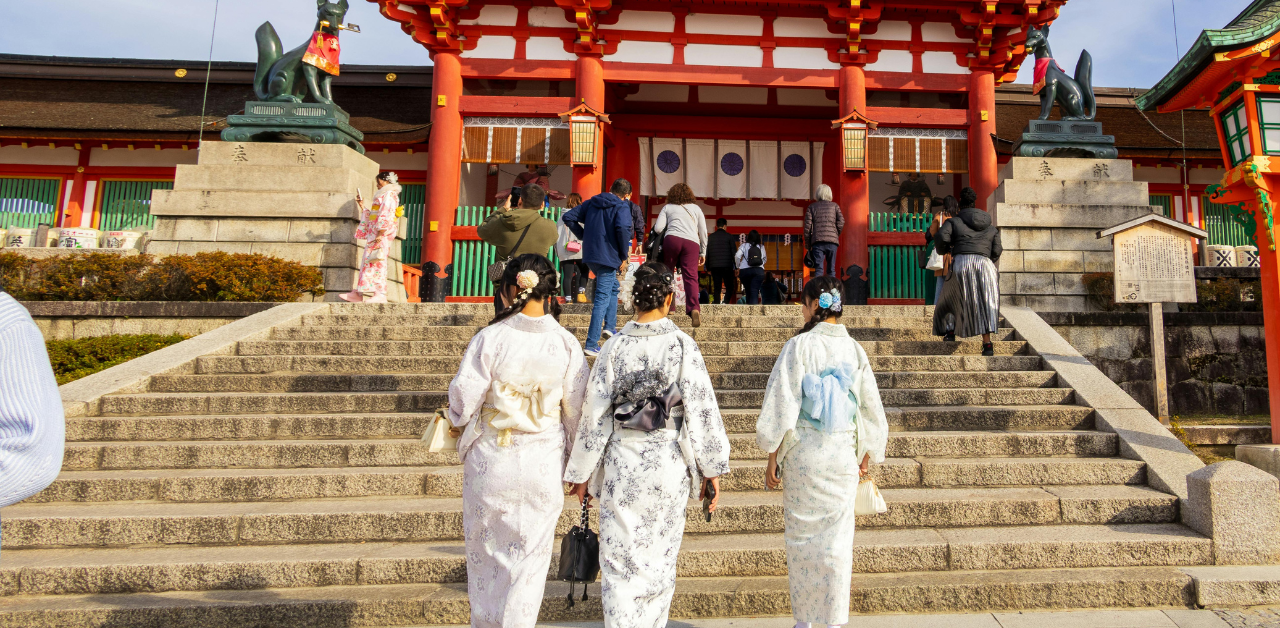
Tenrikyo pilgrimage centers on returning to the origin of faith. Followers travel to Tenri City to reconnect with divine principles and deepen their understanding of Tenrikyo doctrine.
Pilgrimage activities include worship, study sessions, and volunteering. Many followers view pilgrimage as a pivotal moment in their spiritual awakening. It reinforces personal responsibility and commitment to living joyously.
Pilgrims often reflect on the teachings of “thing lent, thing borrowed life,” a guiding principle that encourages gratitude for life and humility in daily actions.
Tenrikyo Teachings and Divine Principles
Tenrikyo teachings focus on divine wisdom, selfless service, and harmony among humanity. Tenrikyo followers believe in one God, Tenri O no Mikoto, and seek to live in alignment with divine model behavior.
These principles were revealed through the life and teachings of Oyasama, Tenrikyo’s foundress, whose example continues to guide followers worldwide.
Core teachings include:
- Gratitude for life and blessings
- Helping others through community service and mutual aid
- Personal responsibility for thoughts and actions
- Living with joy and kindness in daily life
These teachings shape Tenrikyo’s approach to religion, public service, and social support.
The Role of Tenrikyo Overseas Department and Global Mission

The Tenrikyo Overseas Department coordinates international mission work and supports churches and mission headquarters outside Japan. Tenrikyo continues to expand its spiritual community through global outreach, interfaith dialogue, and cultural exchange.
The Tenrikyo pilgrimage also attracts overseas followers who travel to Tenri City to study the doctrine, participate in ceremonies, and strengthen their faith. The Overseas Department supports translations, educational programs, and religious movements abroad.
Tenrikyo’s official institutions encourage cross-cultural understanding and cooperation with other faith communities.
Spiritual Community and Shared Responsibility
Tenrikyo spiritual community extends beyond worship. It includes daily acts of service, mutual aid, and disaster relief. Followers engage in public welfare programs that support communities in times of need.
Tenrikyo churches often organize:
- Disaster relief efforts
- Community service projects
- Educational programs for youth and adults
- Cultural events and interfaith dialogue
This shared responsibility reflects Tenrikyo’s emphasis on building a compassionate world through faith and action.
Tenri University and Educational Programs
Tenri University and affiliated institutions provide religious studies, humanities education, and cultural programs. These institutions support Tenrikyo doctrine while engaging with broader academic fields.
Students study Japanese religion, sect Shinto traditions, and Japanese new religions in the context of modern Japan. Educational programs foster understanding of Tenrikyo’s teachings and their role in contemporary Japan and the global religious landscape.
The Oyasato Institute also conducts research and publications on Tenrikyo teachings and religious movements.
Tenrikyo in Contemporary and Modern Japan

In contemporary Japan, Tenrikyo remains an active religious movement with millions of followers. It participates in public service, interfaith dialogue, and cultural preservation.
Tenrikyo’s presence in modern Japan includes worship services, cultural performances, and outreach programs. Gagaku music and traditional rituals continue to connect followers with Japan’s spiritual heritage.
The movement’s relationship with the Japanese government reflects official recognition and participation in public welfare initiatives.
Tenrikyo Pilgrimage and Global Faith Community
Tenrikyo pilgrimage and spiritual community extend beyond Japan. Mission headquarters and churches worldwide support followers and introduce Tenrikyo teachings to diverse communities.
The global Tenrikyo community promotes peace, understanding, and cooperation among religious organizations. Interfaith dialogue initiatives encourage mutual respect and learning among different faith traditions.
Tenrikyo continues to adapt to the needs of the world while preserving its teachings and traditions.
Building Faith, Service, and Shared Responsibility
Tenrikyo pilgrimage and spiritual community offer a meaningful path for those seeking faith, connection, and service. From Tenri City in Nara Prefecture to churches across the world, Tenrikyo followers live with gratitude, joy, and shared responsibility.
Pilgrimage strengthens spiritual growth, deepens understanding of Tenrikyo teachings, and builds bonds among believers. The Tenrikyo community continues to support public welfare, education, and global outreach, reflecting its commitment to humanity and divine principles.
If you want to learn more about Tenrikyo pilgrimage or become part of this spiritual community, get in touch with us.